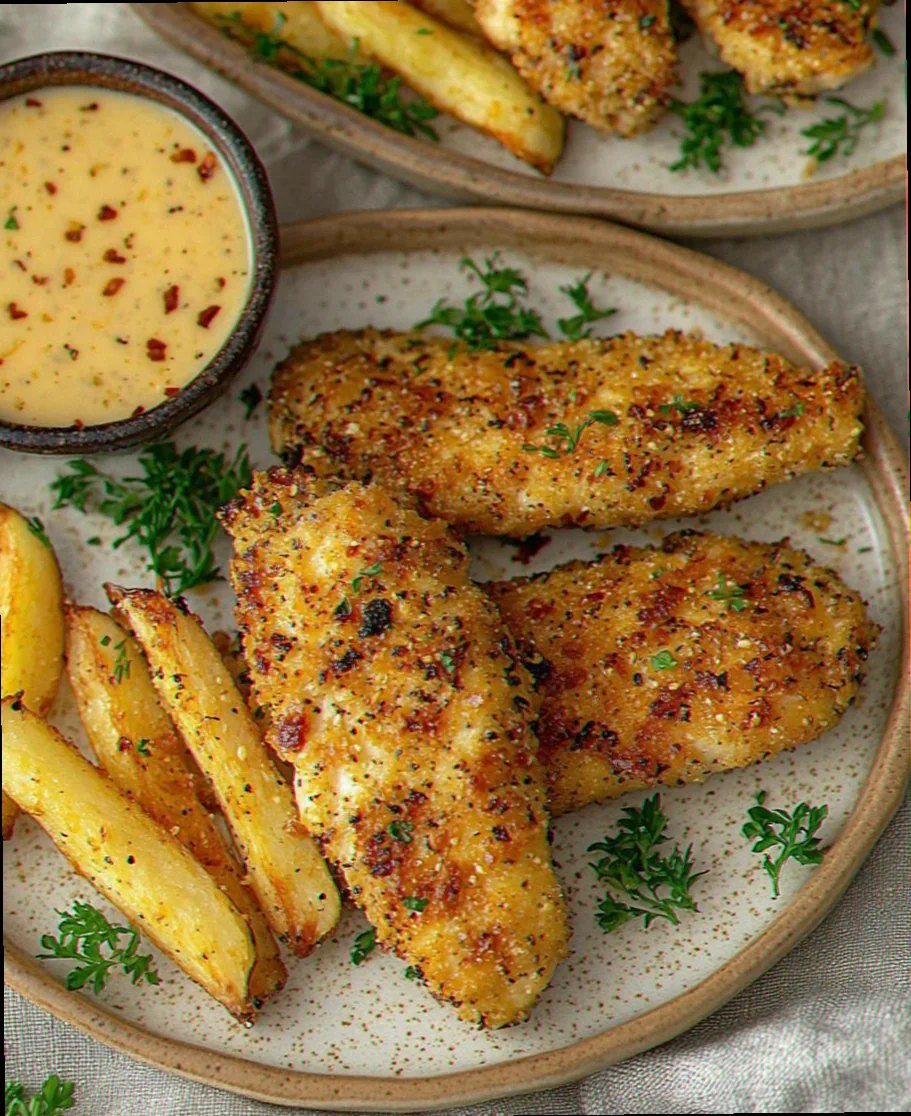
Chicken tenders, particularly the breaded and deep-fried varieties commonly found in Australian fast food outlets, pubs, and supermarket freezers, are generally not considered a healthy food choice. While they contain protein from the chicken, this benefit is often overshadowed by high levels of unhealthy fats, sodium, and refined carbohydrates introduced through breading, frying methods, and processing. Their widespread availability and appeal, especially to children, make understanding their nutritional impact crucial for Australian families aiming for a balanced diet.
Overview and Key Facts
| Attribute | Detail |
|---|---|
| What it is | Chicken tenders are typically strips of lean chicken breast meat, often breaded or battered, and then deep-fried or baked. They are popular for their convenience, crispy texture, and mild flavour. |
| Australian relevance | Extremely popular across Australia, featuring prominently on kids' menus at pubs, clubs, and cafes, as well as being a staple in the frozen food aisles of major supermarkets like Woolworths and Coles. Fast-food chains also offer variations. |
| Key statistic | A standard 100g serving of commercially prepared, breaded, and fried chicken tenders can contain over 800mg of sodium, exceeding 40% of an adult's recommended daily sodium intake (as per the Australian Dietary Guidelines). |
| Governing body / regulation | Food Standards Australia New Zealand (FSANZ) regulates food labelling, nutrition information, and safety standards for all chicken products sold in Australia. The National Health and Medical Research Council (NHMRC) publishes the Australian Dietary Guidelines, offering advice on healthy eating. |
| Best known for | Convenience, widespread appeal (especially among children), and taste, but also notorious for high levels of saturated fat, sodium, and often refined carbohydrates. |
How It Works / What to Know
The nutritional profile of chicken tenders is largely determined by their preparation. While chicken breast itself is a lean source of protein, the transformation into a "tender" typically involves several steps that detract from its health benefits. Firstly, the chicken is often coated in a breading or batter made from refined flours, which adds carbohydrates and often sugar. This coating then absorbs a significant amount of oil during the deep-frying process, drastically increasing the fat and calorie content. The oils used in commercial frying, even if initially plant-based, can degrade and become less healthy with repeated heating, potentially forming trans fats.
In Australia, consumers might assume that because it's "chicken," it offers a healthy protein boost. However, the processing often introduces a high amount of sodium, not just from seasoning but also from brining solutions used to keep the chicken moist and tender. This combination of high fat, sodium, and refined carbs makes tenders a dense source of calories with relatively low nutritional density compared to plain grilled chicken. A unique insight often overlooked is that the quality of the oil and the frequency of its change in commercial fryers can significantly impact the final product's health profile, creating potentially harmful compounds that even initially healthier oils cannot prevent after extensive use.
Australian Context and Regional Differences
- National picture: Chicken tenders are a culinary constant across Australia. They feature prominently on pub menus as "chicken strips," "chicken dippers," or as part of a "kids' pack." They are a go-to for many busy families, available in myriad forms from frozen supermarket packets (e.g., Ingham's, Steggles) to drive-thru options. Their universal appeal transcends age groups, from toddlers to adults seeking a comforting, familiar meal.
- State / territory differences: While the fundamental product remains similar, regional culinary nuances might exist. For instance, in Western Australia, the LiveLighter campaign actively promotes healthier eating, potentially influencing some local establishments to offer grilled alternatives alongside fried options. However, tenders remain a staple in club bistros from Queensland's RSLs to Victoria's suburban pubs.
- Urban vs regional: Chicken tenders maintain their popularity in both urban and regional settings. In regional and remote Australian towns, where access to a wide variety of fresh, healthy food options might be more limited or expensive, frozen chicken tenders can become an even more entrenched part of the diet due to their affordability, convenience, and long shelf life. This can exacerbate health disparities in these areas.
- Indigenous Australian perspective: While not a traditional food, processed items like chicken tenders are unfortunately prevalent in some remote Indigenous Australian communities. Factors such as limited access to fresh, affordable produce, higher costs of healthy foods, and socio-economic challenges often mean that packaged, processed, and fried foods become a more accessible and economical dietary staple, contributing to higher rates of diet-related health issues.
- Seasonal or climate factor: Chicken tenders are a year-round favourite. Their convenience makes them popular during hot Australian summers when cooking elaborate meals might be less appealing, or during colder months as a comforting, easy-to-prepare meal. They are also a common inclusion in picnic hampers or BBQ spreads, often prepared in advance or purchased ready-to-eat.
Practical Guide for Australians
For Australians looking to enjoy chicken tenders without compromising health, a proactive approach is key:
- Homemade is Healthier: The best way to control the health profile is to make them yourself. Use lean chicken breast, coat with wholemeal breadcrumbs (or a mix of oats and spices for gluten-free options), and bake or air-fry instead of deep-frying. This significantly reduces fat and sodium.
- Read Food Labels: When purchasing frozen tenders from supermarkets like Coles or Woolworths, always check the Nutrition Information Panel (NIP) as mandated by FSANZ. Compare brands for lower sodium, saturated fat, and higher protein content. Look for products with a higher Health Star Rating.
- Portion Control: Even healthier homemade versions should be consumed in moderation. A typical serving might be 100-150g of cooked chicken.
- Balance Your Plate: Always pair chicken tenders with a generous serving of fresh Australian vegetables or a salad. Think vibrant greens, roasted sweet potato, or a crunchy coleslaw to boost fibre and nutrient intake.
- Choose Wisely When Dining Out: At your local pub or fast-food restaurant, opt for grilled chicken options over fried whenever possible. Many establishments now offer grilled chicken burgers or salads. If tenders are the only option, consider asking for dipping sauces on the side to control sugar and fat intake.
- Utilise Australian Health Resources: Websites like the Heart Foundation and LiveLighter offer excellent resources, recipes, and guidance on making healthier food choices that are tailored to the Australian context.
Costs, Access, and Availability in Australia
Chicken tenders are an economically accessible food item across Australia, contributing to their widespread popularity.
- Typical Costs: A 1kg bag of frozen chicken tenders from a major supermarket can range from approximately AUD $8 to $18, depending on the brand and whether it's on special. A serving of 3-5 tenders from a fast-food chain might cost between AUD $5 and $10. In a pub bistro, a kids' meal with tenders and chips typically ranges from AUD $12 to $18, while an adult-sized tender meal could be AUD $20 to $30.
- Where to Find: They are ubiquitous. You can find them in the freezer section of every supermarket (Woolworths, Coles, IGA, Aldi), at specialty butcher shops, in nearly all fast-food outlets (KFC, Hungry Jack's, independent chicken shops), and on the menus of virtually every pub, club, cafe, and family restaurant across the country.
- Australian-Specific Barriers or Advantages:
- Advantage: Their low cost, convenience, and widespread availability make them a popular choice for budget-conscious families and busy individuals. They are also highly palatable to children, making them an easy option for parents.
- Barrier: The very advantages of convenience and cost can be a barrier to healthy eating. The ease of access to unhealthy, processed versions can lead